
Hips Aren’t the Problem — They’re the Translator
Part 4 of a movement series on ankles, knees, and hips.

Most people blame their hips.
“Tight hips.”
“Bad hip mobility.”
“Hip flexors are the issue.”
But hips are rarely the starting point.
They’re the translator between what’s happening below (feet and knees) and what’s happening above (pelvis, spine, load).
If the message coming up the chain is messy, the hips don’t magically fix it — they compensate.
Last week, we talked about what your knees are actually telling you.
This week, we move one joint higher and look at the hips — what they should be doing, what commonly goes wrong, and why “tight hips” is usually an oversimplified diagnosis.
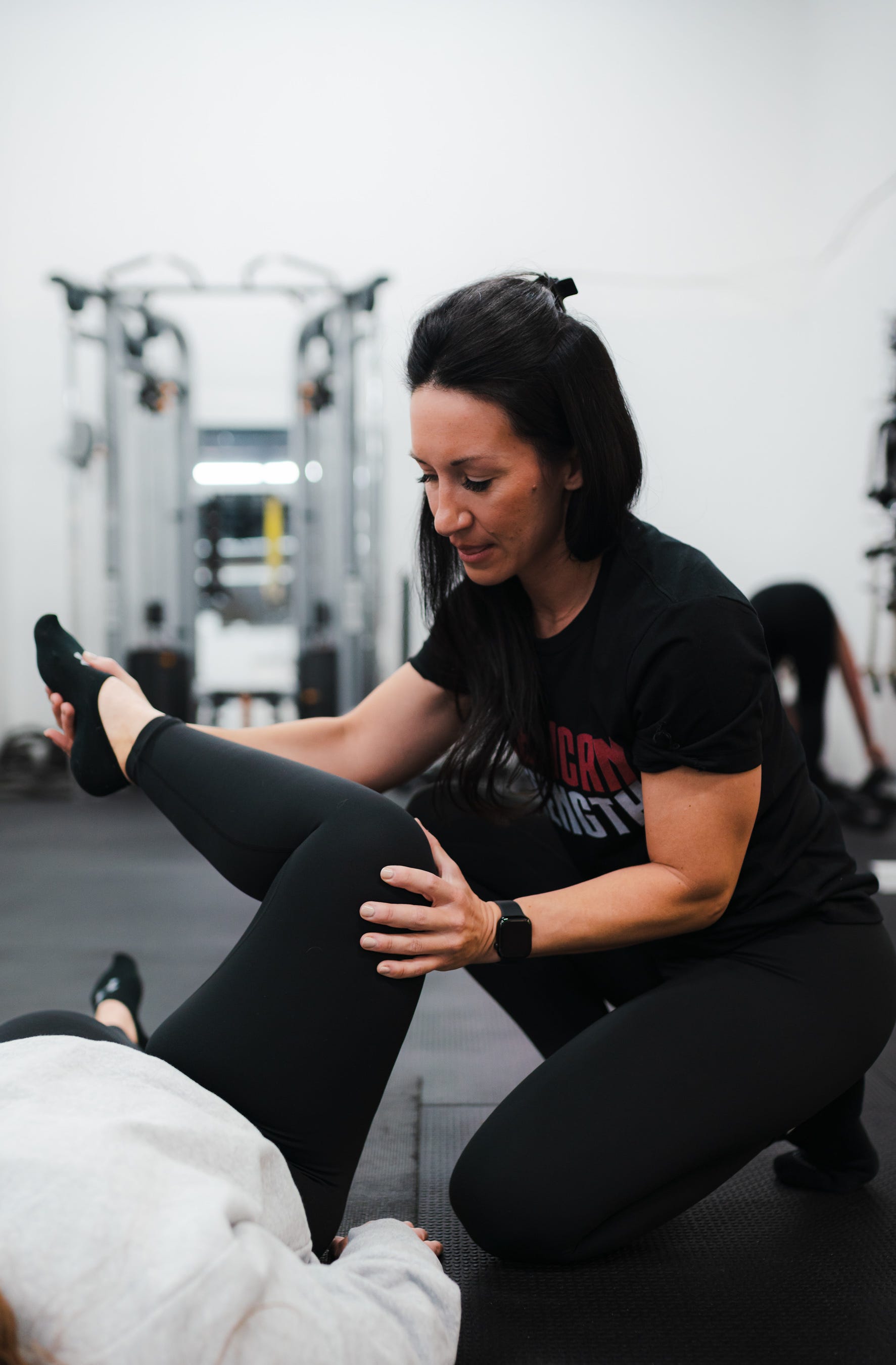
Your hips are meant to move — not just get tight
Your hips are not hinge joints.
They’re ball-and-socket joints, which means they’re designed to move in multiple directions — not just up and down.
A healthy hip should be able to:
• Flex (thigh toward torso)
• Extend (move behind you)
• Rotate internally
• Rotate externally
Most people only ever train two of those — flexion and extension — and completely ignore rotation.
That’s where problems start.
When the hip can’t rotate well:
• the knee twists instead
• the low back compensates
• squats feel pinchy or asymmetrical
• one side always feels tighter than the other
This is why “tight hips” rarely mean you need more stretching.
They usually mean you’re missing control through rotation.
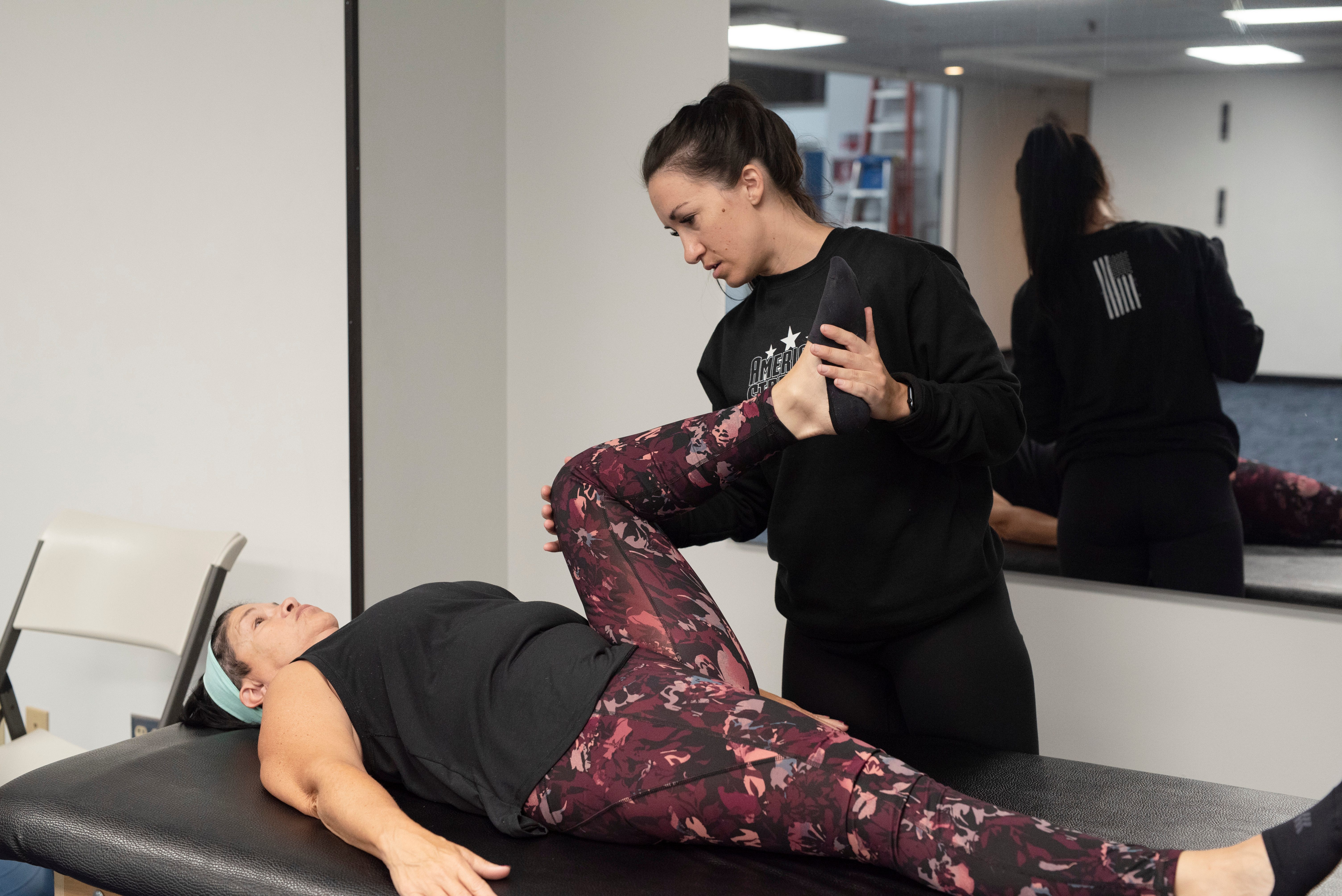
How I assess hip rotation (before I ever load a squat)
Before I change someone’s program, I check hip rotation.
Not because it’s fancy — but because it tells me how the femur is allowed to move inside the socket.
I’m looking at:
• Internal rotation
• External rotation
• Side-to-side differences
• Control at end range
What I often see:
• One hip rotates easily, the other doesn’t
• One side feels blocked or guarded
• Rotation exists passively — but disappears under load
That last one matters.
Range you can access lying down doesn’t always show up when you stand up — and your body knows it.
When your nervous system doesn’t trust the hip to rotate, it limits depth, shifts weight, or asks your knees and back to help.
That’s not weakness.
That’s protection.
Why hips get blamed so easily
Hips sit in the middle of the chain:
Feet → Ankles → Knees → Hips → Pelvis → Spine
If something goes wrong below:
• limited ankle motion
• poor foot control
• knee instability
The hips absorb it.
If something goes wrong above:
• poor bracing
• rib flare
• unstable pelvis
The hips absorb that too.
So when pain, stiffness, or restriction shows up, the hips look guilty — even when they’re reacting.
This is why I don’t assess hips in isolation.
If you missed the earlier pieces in this series:
→ Ankles: The Most Ignored Joint in Your Training
→ Rebuilding Ankle Control Before Adding Load
→ Knees Are Honest: What They’re Really Telling You in Your Squat
Each joint hands information to the next.
What your hips are actually responsible for
Your hips don’t just move — they coordinate.
They are responsible for:
• flexion and extension
• internal and external rotation
• abduction and adduction
• transferring load between lower body and trunk
In a squat, hinge, or lunge, your hips should:
• open and close smoothly
• rotate without dumping stress into the knees
• accept load without stealing it from the low back
• share work with glutes, hamstrings, and adductors
When that doesn’t happen, people label the hips as “tight.”
Most of the time, they’re not tight — they’re overworked, under-supported, or stuck doing someone else’s job.
The squat tells me everything about your hips
I use the squat as an example because it’s universal.
Not because everyone needs a barbell — but because everyone squats.
• sitting to a chair
• standing from the floor
• bodyweight squats
• goblet squats
• belt squats
• front squats
• back squats
A squat is a longevity movement.
And no matter the variation, it tells me:
• how your hips open
• how your femurs rotate
• how load moves through your pelvis
• how well your hips cooperate with knees and ankles
If your squat feels jammed, rushed, or unstable — your hips are telling a story.
Common hip patterns I see (that aren’t “mobility issues”)
1. The “stuck-at-the-bottom” hips
You feel pinched or blocked at depth.
Usually comes from:
• limited ankle range
• knees not traveling forward comfortably
• adductors not allowing the hips to open
The hips don’t lack mobility — they lack permission.
2. The over-hinged squat
Everything turns into “butt back.”
Often caused by:
• fear of knees moving forward
• outdated coaching cues
• stiff ankles
• uneven foot pressure
The hips dominate because the knees and ankles aren’t allowed to help.
3. The shifting hips
One side always takes over.
Usually reflects:
• asymmetrical foot pressure
• uneven hip stabilization
• underperforming adductors on one side
• pelvic control issues
This is coordination — not weakness.
4. The “tight hip flexors” diagnosis
The most common mislabel.
Hip flexors often feel tight because:
• glutes aren’t contributing at the right time
• pelvis isn’t stacked or stable
• the hip is trying to stabilize instead of move
Stretching alone doesn’t fix this.
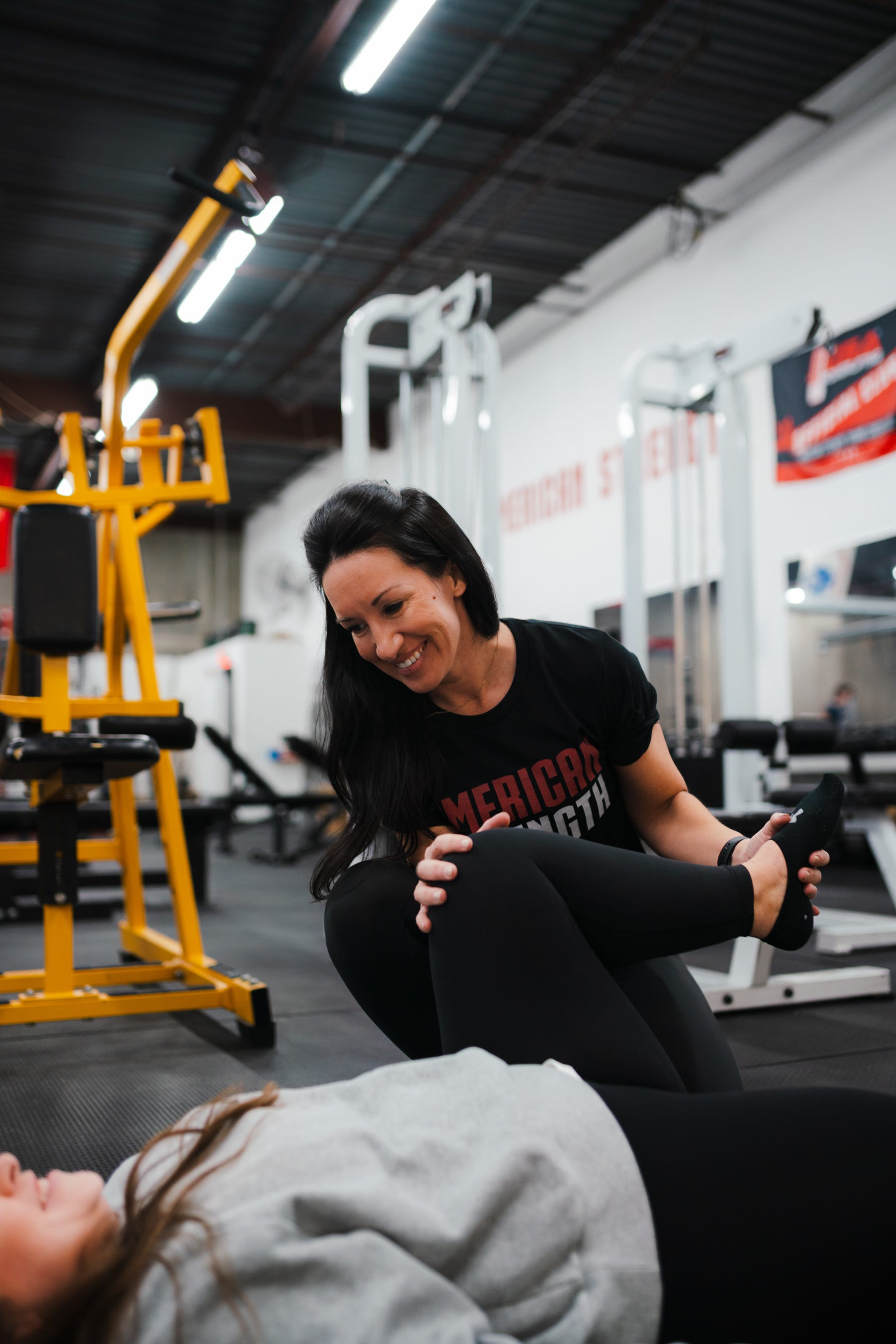
Why adductors matter more than people think
Adductors don’t just pull your legs together.
They:
• help control hip depth
• guide femur position
• stabilize the pelvis
• protect the knees
When adductors don’t contribute:
• hips feel restricted
• knees cave
• squats feel unstable
• glutes overwork
Most people stretch adductors endlessly — without ever teaching them how to work.
Mobility vs. control — the real difference
A hip can be mobile and still dysfunctional.
Control means:
• owning range
• accepting load
• coordinating with neighboring joints
Mobility without control is just range you can’t use.
That’s why deep, relaxed squats aren’t about flexibility.
They’re about cooperation:
• ankles allowing
• knees tracking
• hips opening
• pelvis stacking
• spine staying calm
That’s longevity.
What this means for your training
If your hips feel tight:
• don’t stretch harder by default
• don’t blame your anatomy
• don’t avoid squats
Zoom out.
Ask:
• What did my ankles do?
• What did my knees do?
• Where did my weight shift?
• What muscles worked — and which didn’t?
Change the information, and the hips change with it.
This article was about understanding the hips — not fixing them yet.
Later this week, I’ll share:
• how I calm hip tension
• how I restore usable hip range
• how I train hip control without beating joints up
Paid subscribers will get the full movement system, including:
• step-by-step video demos
• how I use foam rollers and lacrosse balls for hip soft-tissue work
• mobility drills that actually transfer to squats and lunges
• strength work to support the hips (not just stretch them)
• clear guidance on when to do this work, plus sets, reps, and timing
Just like the ankle and knee weeks, it’s not more volume — it’s more clarity.
Final thought
Hips aren’t fragile.
They’re adaptable.
When feet, knees, hips, and pelvis all do their jobs — nothing feels jammed.
That’s how you keep lifting, squatting, and moving confidently for decades.
Super helpful! Very clear concise and easy to understand!